
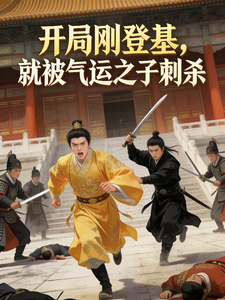
Just Became Emperor, Already Assassinated by the Son of Destiny
Ongoing
Author:Ren Ge, who loves to play
Wang Hao crossed over into a cultivation world shrouded in perpetual night and eerie mists, where the bizarre and supernatural had descended. The previous emperor was a thoroughgoing tyrant; no longer satisfied with human women, he had set his sights on a stunningly beautiful supernatural entity. He met his end in his bedchamber, drained of all his vital essence. As the legitimate eldest son and crown prince, Wang Hao was thus hastily enthroned, becoming the young emperor of the Great Zhou Dynasty. No sooner had he awakened the "Imperial Sign-In Intelligence System" than he was assassinated by a Son of Destiny—a classic villain's opening.
The Great Zhou, ravaged by the former emperor's excesses, was in national decline. The great families within its borders harbored their own treacherous schemes, martial sects began to defy the imperial court's decrees, and border armies, their pay and provisions in arrears, grumbled incessantly against the central government. Fortunately, the central capital was still held secure by the half-million Imperial Guards and fifty thousand Imperial Forest Army who obeyed the court's orders, along with the royal family's hidden reserves of power, barely managing to suppress the realm. As the Great Zhou's finances worsened and supernatural activities grew ever more frequent, the court sat atop a volcano. Ambitious plotters everywhere dreamed of overthrowing the dynasty, and even some reclusive ancient powers emerged, attempting to sway the tides of the world.
At the first grand court assembly, the civil and military officials nearly came to blows, fighting tooth and nail over the allocation of fifty million taels of silver from the summer tax revenues. The spectacle opened Wang Hao's eyes—the Great Zhou's bureaucracy was not only corrupt but also martially proficient, a cabinet of all-rounders. Some officials even had the audacity to suggest the emperor release funds from the imperial privy purse to address the emergency. Wang Hao suddenly felt weary. Let it all burn.
The Great Zhou, ravaged by the former emperor's excesses, was in national decline. The great families within its borders harbored their own treacherous schemes, martial sects began to defy the imperial court's decrees, and border armies, their pay and provisions in arrears, grumbled incessantly against the central government. Fortunately, the central capital was still held secure by the half-million Imperial Guards and fifty thousand Imperial Forest Army who obeyed the court's orders, along with the royal family's hidden reserves of power, barely managing to suppress the realm. As the Great Zhou's finances worsened and supernatural activities grew ever more frequent, the court sat atop a volcano. Ambitious plotters everywhere dreamed of overthrowing the dynasty, and even some reclusive ancient powers emerged, attempting to sway the tides of the world.
At the first grand court assembly, the civil and military officials nearly came to blows, fighting tooth and nail over the allocation of fifty million taels of silver from the summer tax revenues. The spectacle opened Wang Hao's eyes—the Great Zhou's bureaucracy was not only corrupt but also martially proficient, a cabinet of all-rounders. Some officials even had the audacity to suggest the emperor release funds from the imperial privy purse to address the emergency. Wang Hao suddenly felt weary. Let it all burn.
See all ↓


Volume One: Default
- C1. The Collapsing Beginning
- C2. Assassination Attempt Shortly After Ascending to the Throne
- C3. Is This an Assassin at the Fourth Level of Martial Arts
- C4. Is He the Son of Destiny And Am I the Villain
- C5. The Emperor's "All-Star Eunuch Ensemble"
- C6. This system is quite powerful.
- C7. The Protagonist's Opportunity A Coordinated Assault
- C8. Indestructible Little Strong
- C9. Overwhelming Aura, Even a Last-Moment Breakthrough Is Futile
- C10. Unexpected Appearance, Eerie Arrival
- C11. The Nine Palaces and Eight Trigrams Conceal a Deadly Scheme
- C12. Divining the Aura to Decipher the Death Trap Formation
- C13. Fishing in Troubled Waters
- C14. Thunderstrike Shatters a Deadlock
- C15. This is no imperial court, it's clearly a marketplace
- C16. Each with Their Own Hidden Agenda
- C17. You Force My Hand, Then Let a Major Case Unfold
- C18. All Sorts of Demons and Monsters Fill the Hall
- C19. Thunderous Means, Sky Lanterns Illuminate Corrupt Souls
- C20. Slapping the Traitor to Death
- C21. Eastern Depot and Western Guards Command the Realm
- C22. Emulating Jiajing
- C23. Iron-Blooded Military Strategy: Setting Up a Kill Game
- C24. Everything is ready, and all we need is an east wind.
- C25. Conspiracy, Military Review at the Northern Camp
- C26. Iron Army in Formation, Cannons Bombard the Martial Arena
- C27. Cavalry Guards Were Bought from Military Noble Families
- C28. This Is My Imperial Guard, the Sons of Noble Families
- C29. Conspiracy
- C30. The Emperor's Lethal Intent
- C31. The Eunuch Faction Blocks the Way
- C32. The Arrogant and Domineering Eunuch
- C33. Don't Get Cocky Too Soon, You Eunuch Dog
- C34. Getting Rich by Confiscating Family Property: A Fast Track to Wealth
- C35. Shocking
- C36. Planning
- C37. Let the Civil Servants Tear Each Other Apart
- C38. A Heart-Piercing Argument
- C39. When the map is unrolled, the dagger is revealed
- C40. State Taxation Administration
- C41. The Situation Changes
- C42. The Divide Between Humble Families and Noble Houses, the Eunuch Faction Takes the Stage
- C43. What Do These Eunuchs Want
- C44. The Struggle Between the Eunuch Faction and the Ministerial Faction over the Control of the Coach Office
- C45. The Fate of the Nobility
- C46. Military Generals Taking Sides
- C47. Dust Settles
- C48. Plotting in the Dark Chamber to Decide the Fate of the World
- C49. Communication Hive
- C50. This is a blatant overt scheme.
- C51. In the end, this empire is mine alone
- C52. A scholar's rebellion never comes to fruition.
- C53. Follow Me to Make a Fortune
- C54. Interest Alignment
- C55. The Birth of Ruthless Capitalists and Living Bodhisattvas
- C56. The Epic Migration
- C57. Demolition in a High-Martial World and the Evil in the Sewers
- C58. The Red-Eyed Military Merit Seeks to Board Again
- C59. The Rise of Miracle New City
- C60. Real Estate, Stock Exchange
- C61. Those who submit will prosper, those who resist shall perish.
- C62. The Battlefield Without Gunpowder Smoke
- C63. The Entry of Aristocratic Families
- C64. Doubled Fortune, Nobles Wholeheartedly Pledge Loyalty
- C65. Incognito Visit Sparks Frenzy in the Southern City's Downtown
- C66. The Familiar Scent
- C67. Ye Chen, you've actually delivered yourself right to my doorstep.
- C68. This Time, I Will Destroy Your Stronghold
- C69. Not a Blade of Grass Grows
- C70. Deploying Troops and Arraying Firearms
- C71. Bombarding the Valley, A Thunderous Start
- C72. Firearm Horizontal Push
- C73. Ye Chen's Defense Shattered, Karmic Backlash Strikes
- C74. The Sudden Turn of Events: Defeat the Junior, and the Senior Arrives
- C75. The Emperor's Wrath and Rewards to Win the Army's Loyalty
- C76. Acting with Flair at the Imperial Tomb, as if Possessed by an Oscar-Winning Actor
- C77. Ye Chen, Just Wait, I Have a Powerful Backer Too
- C78. The Dragon Court's Wrath
- C79. Bloodbath at Qingyun Shakes the World
- C80. Decisive and Ruthless: The Villain Dies by Talking Too Much
- C81. The Sky Cries Blood
- C82. Thunder Tower Swallows Fivefold Calamities
- C83. I Am a Normal Man
- C84. The Imperial Edict Shocks the World
- C85. Your Majesty, Your White Moonlight Has Come for You
- C86. Reject Green Tea, I Will Be the Biggest Market Maker in the World
- C87. All Heavenly Prodigies Enter the Game, Barbarians from the Eight Wastelands Breach the Pass
- C88. The Grand Court Assembly
- C89. A Bloodbath Triggered by the Name "Zhuge Village Man"
- C90. Great Zhou Boxing Match
- C91. Two-Man Act
- C92. The Royal City's Tricks Run Deep
- C93. Two Million in Debt
- C94. The Child of Destiny Is Forced to Sell His Labor
- C95. Defeat Magic with Magic
- C96. Capital Feast and the Rolling Knife Ancestor
- C97. Monsters Run Amok A Cross-dressing Master Suddenly Appears
- C98. Semifinal: Shen Xue of the Ice Snow Divine Palace vs. Anu of the Gu God Tribe
- C99. Yunmeng VS Yehongling.
- C100. Final Incident
- C101. Come on, let the storm rage on with even greater fury
- C102. I don't want my great-granddaughter to live as a widow.
- C103. What’s face worth I’ll scatter your ashes to the wind
- C104. Thunder Dragon Cleans the Floor, Is This What You Call Your Trump Card
- C105. Wild Leeks All Over the Ground: The Beauty Rankings of the Great Zhou Times
- C106. Strike While the Iron is Hot The Wilderness' Strongest Home-Raiding Squad Sets Out
- C107. Wang Hao Mercilessly Beaten, the Confused Eunuch Wei
- C108. I Am the Emperor, Not a Lover
- C109. The Great Wilderness Confiscation Squad Crashes Crimson Moon Demon Sect Unveils War God Corpse
- C110. Wang Hao Begins Casting His Net to Catch the Saint
- C111. Secret Letters Convey Two Missions, the Saint's Struggle
- C112. The Chosen One Appears, Intercepting and Killing the Emissary of the Great Zhou
- C113. The Uses of Ren Mingyue
- C114. The Saintess Returns Actually, They Plot Against Each Other
- C115. The Harem’s Battlefield: Three Women at Each Other’s Throats
- C116. The Son of Fortune Strikes Back: Martial God's Secret Realm Emerges in the Capital
- C117. The Martial God's Mystic Realm Opens
- C118. The Tyrant First Sends Cannon Fodder to Test the Path, Scavenging Trash on the Burial Soldier Platform
- C119. Shameless Dog Emperor
- C120. This Emperor, How Can He Be So Shameless
- C121. Shen Xue's Midnight Embrace Actually Carrying a Shocking Secret
- C122. The Tyrant Doesn't Think About Sealing, but First About How to Trick People
- C123. The reinforcements of Tiandao Alliance have arrived
- C124. Saving the Beauty Is a Pretense, Taking Advantage Is the Truth
- C125. Ren Mingyue's Jealousy Scheme
- C126. The Bright Moon Is Instead Controlled by the Tyrant, the Outer Hall of the War God Appears
- C127. Nine Out of Ten Protagonists Lose Their Cool
- C128. The Imperial Trial Begins
- C129. Xie Wujiu’s underhanded move from afar plays right into Wang Hao’s hands.
- C130. Half-Step Nine-Level Phantom Emerges
- C131. The Dog Emperor Lets Someone Else Die First
- C132. Shen Xue was utterly panicked, realizing that this tyrant might actually save the world.
- C133. Yunmeng Puts Up a Tough Front, But Secretly Sells Himself Out First
- C134. Public Opinion Takes the Lead: Tianji Pavilion Hasn't Even Acted Yet, but Is Already Scolded Senseless by the Great Zhou
- C135. The Cabinet suddenly realized that, with money, it also looked quite like a villain.
- C136. Xie Wujiu Engages in a Long-Distance Verbal Spat, Zhuge Huaijin Gets More Heated with Each Insult
- C137. Three Women Discuss an Alliance at Night They End Up Outmaneuvered by Wang Hao
- C138. The Secret Realm Core Unlocked, the True Blood of the War God Appears
- C139. The True Blood Acknowledges Its Master; the Tyrant Emperor Refuses on the Surface but Is Laughing His Head Off in Secret
- C140. Nightmare Rampage; Let the Chosen One Take the Lead
- C141. Backhanded Blame: Heaven’s Secrets Pavilion Takes a Big Fall First
- C142. Nightmare's Rage, the Ten Driven to Despair
- C143. Next, it will be Xie Wujiu's turn to have a headache.
- C144. The Emperor Returns in Triumph, Casually Gobbling Up All the Credit and Public Opinion
- C145. Three Women Return Hearts Threefold, Yet Wang Hao Begins to Play a More Sordid Game
- C146. Gathering of the World's Talents in the Capital, Turning the Competition into a Mass Audition Variety Show
- C147. The Heavenly Pride Gang Bursts onto the Scene
- C148. Wang Hao Recruits All the World's Protagonist Seedlings
- C149. Not Yet Hit, Rankings Already Set; Wang Hao's Heavenly Prodigy List Drives the World Mad
- C150. Working Before the Martial Arts Tournament: The Dog Emperor Treats the List of Prodigies as a Conscription Roll
- C151. The Preliminary Round Begins, Wang Hao Deliberately Puts All the Popular Prodigies into the Group of Death
- C152. A dark horse from a humble family became an overnight sensation, and immediately signed on as a model worker for the imperial court.
- C153. Xiao Chen vs. Ye Guyun: A Life-or-Death Duel, Wang Hao Rakes in Massive Traffic as the Bookmaker
- C154. Two Prodigies Forced to Team Up for Demon Suppression: Curing All Arrogance and Lone Wolf Syndrome
- C155. The main cast disbands and reassembles to become assembly line workers.
- C156. The Secret Pavilion's Undercover Agent Disrupts the Arena
- C157. Wang Hao Uses the Opportunity to Turn the Martial Arts Tournament into an Anti-Espionage Conference
- C158. The Battle for the Top Ten Begins, with a Crimson Moon Omen Pressing Down on the City
- C159. The first Tianjiao champion is born, Wang Hao grants official positions and casually puts on a dog leash
- C160. The First Demon-Suppression Conference Opens, Wang Hao First Scares the Whole World into Sitting Up Straight
- C161. Once the Demon-Suppression Regulations were issued, the negotiation table turned into a scene of signing indentured servitude contracts.
- C162. Heavenly Alliance Intervenes, Wang Hao Publicly Executes a Wave of Lip-Service Justice
- C163. Top Brass of Tiandao Alliance Defects on the Battlefield, Wang Hao Works Overnight to Turn Enemy Testimony into a Political Nuke
- C164. The Strange Tide in the North Broke Out Early, Wang Hao Immediately Packed Up All the Conference Delegates for Real Combat
- C165. Frontline Combat: Live Streaming the Tianji Pavilion's Secrets While Playing the Savior
- C166. Demon Suppression Alliance Officially Established
- C167. Wang Hao drew the Western Regions map as the territory of the Great Zhou
- C168. The Turmoil of Enthroning the Empress Before the Emperor’s Personal Expedition: Wang Hao Turns the Harem into Political Pawns
- C169. Six Hundred Thousand Troops Set Out; Wang Hao Kills a General Before the Battle to Establish Military Prestige
- C170. Western Frontier, Vanguard of the Heavenly Elite Pioneers
- C171. The Deadly Trap of Blood Centipede Gorge: Wang Hao's Bait Tactics
- C172. Thirty Seconds to Clear the Sky, Xiao Chen Flips the Bird and Gets Performance Deducted
- C173. Raiding at Midnight, Wang Hao: Only Normal People Wait for Dawn to Fight
- C174. Blackwater Abyss, the Maitreya of Desire's Sea
- C175. Blissful Purgatory: The Son of Heaven's Qi Perception Breaks the Sea of Desires
- C176. Thousand Arms of the Abyss of Desire
- C177. The Second Calamity of the Thousand-Desire Demon Buddha: Everyone Reveals Their Final Cards
- C178. The Heavenly Lock of Xie Wujiu: The Tyrant’s Reverse Baiting
- C179. Nine Palms Overwhelm the Demon Buddha, Celestial Sovereign's Sword Devours the Seed of Desire
- C180. Does a Tyrant Also Have a Conscience
- C181. Demonic Treasure Harvest: Wang Hao Divides the Spoils Publicly, Sparking Internal Competition
- C182. The Righteous Alliance of the Western Regions panicked, holding an emergency meeting overnight to discuss whether to surrender or flee.
- C183. The Righteous Alliance Splits, Qingmu Zhenren Surrenders and Offers the Pass
- C184. The Iron Sword True Man's Dead End, The Heavenly Mechanism Pavilion Refuses to Help
- C185. The Fear of the Red Moon Demon Sect, the Martial God Body Begins to Lose Control
- C186. The Avengers Show Their Muscles, Wang Hao Calls a Pre-War Meeting
- C187. Battle in the Crimson Moon Gorge
- C188. Xiao Chen Forced into a Solo Fight Against an Eighth-Tier Anomaly
- C189. The Martial God Body Unsealed, Wang Hao Finally Activates the Experience Card
- C190. Prison Heaven Earth-Covering Palm, a Single Palm Evaporates the Martial God's Body
- C191. The Fall of the Red Moon Demon Sect
- C192. Blood Demon Ancestor Surrenders but Is Killed by Wang Hao
- C193. Wang Hao Plunders After the Battle, Turning the Crimson Moon Tome into a Waste-Recycled Asset
- C194. The Celestial Pavilion Finally Takes Action
- C195. Xie Wujiu Releases Nine Divine Corpses
- C196. Divine Corpse Attacks, The Avengers Are Driven to Despair (Part 1)
- C197. The Corpse of a God Descends, The Avengers Beaten into Despair (Part 2)
- C198. Dismantle One First to Set an Example for Xie Wujiu
- C199. My Soldiers, My Assets
- C200. Great Tyrant, you shameless bastard, even feeding dogs is more generous than this.
- C201. Nine Palms Strike in Unison, the God-Burying Chains Shatter, Xie Wujiu Goes Mad.
- C202. Nightmare Emerges, Xie Wujiu Half-God Half-Ghoul
- C203. Wang Hao Sweat Coldly, 700,000 Troops Withdraw
- C204. Forty Ancestors Enter the Account, Wang Hao to Fight a Blocking Action
- C205. Sinister Domain Devours the Heavens, Xie Wujiu Fails to Observe Martial Virtue
- C206. The Son of Heaven Searches for All Beings with Qi, the Forty-Year-Old Patriarch Breaks the Nightmare
- C207. Blood Moon Falls, I'll Tear Off Half Your Face First
- C208. I Don't Keep Accounts, I Only Collect Cash
- C209. Xie Wujiu Is About to Explode
- C210. Nightmare Opens Its Eyes, Thunder Abyss Suppresses the Demon's Ninth Layer
- C211. At the critical moment of life and death, still thinking about the national treasury
- C212. Origin of White Thunder
- C213. The Tower Opens Nine Levels: The Heavenly Mechanism Pavilion's Wealth Runs Deep
- C214. Seven Western Provinces, Heavenly Envoys from the Sacred Land
- C215. A Palm Strike Sends the Holy Land's Clouds Crashing Down
- C216. Old Scores of Kunlun, Something Big Has Happened in My Imperial Household
- C217. The Imperial Marriage Shocks the World, Turmoil Arises in Kunlun
- C218. Northern Expedition to the Mongol Steppes
- C219. The Northern Desert Tribes Wish to Honor the Great Zhou Emperor as the Sacred Khagan
- C220. I, the Emperor, Shall Take You to See the World
- C221. A Million Iron Riders Sweep West into the Central Plains; Before the Kunlun Mountains, Who Dares to Sit Aloft on the Clouds
- C222. The Prodigies of Central Plains Knock at the Pass
- C223. Ten Battles, Ten Victories: The Iron Fist of the Eastern Wasteland Shatters the Central Land
- C224. Why does it feel like they're even fiercer than yesterday
- C225. Zhongzhou Means Business Now
- C226. Win and make money, lose and flip the table
- C227. The Saint Son List Released, Blood Flows in the Eastern Wasteland
- C228. Sword Heart
- C229. The People of Donghuang Lost with Too Much Dignity
- C230. Is the Emperor About to Step Down
- C231. Three Moves to Shake the Central Plains
- C232. The Kunlun Conference Opens, Gathering the World
- C233. The Judge's Turn Rotates; Next Year, It Comes to My House.
- C234. Cutting Flesh to Feed the Eagle: Who Is the Eagle
- C235. I reason with you, you show me your might.
- C236. Martial God's Dharma Aspect
- C237. It's easier to invite a god than to send it away.
- C238. The Forbidden Realm of Kunlun Opens, Demonic Clouds Press Down from the Sky
- C239. Has My Reputation Spread to the Demon Clan
- C240. Martial God's Barrier-Breaking Pill, Heavenly Tribulation as Wedding Garment
- C241. Is the new betting line open yet
- C242. Return from the Secret Realm
- C243. Endgame of the Handicap
- C244. Encirclement from All Directions, A Heavenly Tribulation Scheme
- C245. One should return as good as one receives.
- C246. I merely gave it a little push
- C247. I'll settle the score with you after crossing
- C248. System, Are You Doing This on Purpose
- C249. Ransacking a House Is a Technical Job
- C250. I'm in a good mood today, so I won't argue with you.
- C251. Rage of the Dark City
- C252. Don't give him any reason to come knocking on your door.
- C253. The Feast at Hongmen
- C254. I'm Immune to All Poisons, Surprised
- C255. You Shouldn't Have Let Me Get Close
- C256. You... you didn't use your full strength.
- C257. How dare you embezzle my imperial money
- C258. I'm Really Timid
- C259. Seven Hundred Thousand Troops at the Border
- C260. Choice of the Dark City
- C261. This is — Sacred Decree
- C262. The weak are prey to the strong; this has always been the case since ancient times.
- C263. How Do You Know It’s Me Who Is the Weak One
- C264. Rest assured, My Fate is Strong
- C265. Sixteen Heavenly Net Formation
- C266. Fighting Forty Martial Gods Alone
- C267. Bloodbath at the Celestial Dome
- C268. Desperate Survival
- C269. Drink, Art is Patrick Star
- C270. So insidious, so ruthless, so utterly inhuman.
- C271. Battlefield Reckoning
- C272. The Emperor's Calculation
- C273. Eye of the Storm
- C274. Their sacrifice is not meaningless
- C275. Nine Mysteries Descend Upon the World (Part 1)
- C276. Nine Omens Descend (Part 2)
- C277. When emperors fight, they never need a reason.
- C278. Myriad Phenomena of the Uncanny Realm
- C279. A bizarre ascension to the throne—truly an act of treason and impiety.
- C280. What's the rush I, the Emperor, still have three layers of formations yet to activate.
- C281. One Man, One Sword, One Tower
- C282. Ten Thousand Hearts' Lanterns
- C283. I Never Thought I Would Lose
- C284. Who Says I Lost
- C285. The Spring Breeze Does Not Cross Zhennan Pass
- C286. The Emperor of Great Xia Has the Final Say
- C287. Heavy Casualties
- C288. This Battle Is Not Over Yet
- C289. His Majesty Never Breaks His Word to His Own People
- C290. Are You Guys from the Azure Dragon Division Vegetarians
- C291. When I Grow Up, I Will Protect You Too
- C292. Sinister Ambush
- C293. No matter how formidable the Emperor's Sword is, it is still just one person.
- C294. The Peerless Swordman
- C295. Endless
- C296. This Emperor, How Many More Cards Does He Have Up His Sleeve
- C297. The Weird Tide Beckons Westward
- C298. Who is causing trouble for whom is still up in the air.
- C299. I Will Not Lose
- C300. The Emperor Has Spoken: We're Beating It to Death Today
- C301. Chase Them Back to Their Lair, and I, the Emperor, Will Send You Another Grand Gift
- C302. Sign-In Gift Pack, I’ll Add Another Trump Card
- C303. Abyssal Rift, I Sense a Bigger Catch
- C304. I Banished It to the Central Plains, Let's See Who Flips the Table First
- C305. Sudden Turmoil in the Central Plains, the Sacred Land's Grand Formation Fully Activated
- C306. Rushing to the Abyss of Ten Thousand Ruins, I Add Another Flame to the Central Province
- C307. The Ancient Formation Opens Its Eyes; Even Half-Step Tenth Rank Must Kneel
- C308. Opening the Ancient Coffin
- C309. Drained Dry
- C310. Peak Martial God I Beat the Peak Itself
- C311. Sword Breaks the Star River, Willpower Shields the Body, Forcing Out the Ultimate Power
- C312. Sword Devours Four Corpses, Half a Step Beyond the Coffin
- C313. Darkness Falls, a Bloodbath of the Masses
- C314. Four Corpses Form an Array, Wang Hao Breaks Through Yet Remains Suppressed
- C315. Sword Zombie, Haozi Step Back
- C316. Master Jian takes on ten, Haozi don't interfere.
- C317. Wang Hao has always believed that education should start early.
- C318. Sword Swallows Three Corpses, the Tyrant Bears a Grudge
- C319. It... Evolved Again
- C320. Sword Lord's Arrogance Knows No Bounds, the Emperor's Corpse Teaches Him a Lesson
- C321. Lord Sword Refuses to Yield, the Emperor's Corpse Teaches Him Manners with a Slap
- C322. The Tyrant Wants to Flee, but the Sword-Bastard Explodes
- C323. Fifteen Minutes of Checkup, the Tyrant Is Back in Action
- C324. I Scold You So That You Die in Confusion
- C325. Nine Thunders Strike from Above, I Most Enjoy Inspecting the Goods
- C326. Smashing the Emperor's Corpse with a Sword Hilt, a Cure for Stubborn Bones
- C327. Cleaving Heaven and Severing Core, I, the Emperor, Am the Best at Seizing Time
- C328. The Imperial Corpse Suffers a Heavy Blow, and the Humble Sword Starts to Wag Its Tail
- C329. Level 10 Creepiness: Oh No, I've Been Set Up
- C330. Settling Wages, the Emperor Never Works for Free
- C331. I Fear You Won't Live to Pay the Bill
- C332. The Death-Substitution Talisman: Swapping Fates with an Imperial Corpse
- C333. I, Your Majesty, Can Still Step into Level Ten
- C334. Did I raise you just to eat free meals
- C335. Thirty Moves: I Can't Beat Them, But I Know How to Call for Backup
- C336. Divert the Disaster Eastward, If You Don't Pay the Toll, Pay with Your Life
- C337. Ancestor, Save Me
- C338. This Is My Sword
- C339. Escape Did I Allow It
- C340. The Thirty-Two Patriarchs Emerge from Their Coffins, the Ten-Level Demonic Domain Opens the Heavens
- C341. The Experience Card Has Ended
- C342. Martial God Second Floor: Watching Immortals Fight
- C343. I Am Not Ambushing, I Am Finishing the Blow
- C344. Fortune from the Ruins of the Holy Land, I Shall Keep It Safe for You
- C345. All Creatures of the Middle Realm March to War, and I, the Emperor, Scavenge on the Battlefield
- C346. Sixteen Sacred Lands' Divine Powers Manifest Together, I Am Merely a Good Samaritan Passing By
- C347. A Black Pot Falls from the Sky, and the Twelve Holy Lands Collectively Lose Their Cool (Part 1)
- C348. A Black Pot Falls from the Sky, and the Twelve Holy Lands Collectively Lose It (Part 2)
- C349. Ji Wushang Flees North to Recover, the Twelve Sacred Lands Become the Prime Blood Enemy
- C350. The Soul-Severing Stele
- C351. Signing In at the Soul-Severing Stele, the Town-Physic Celestial Seal
- C352. Two Hundred Thousand Miles of Pursuit: The Holy Land Grows Numb from Taking the Blame
- C353. Retreating Again in the South China Sea, Signing In at the Abyss
- C354. I Shall Return
- C355. Does the Holy Land Care About Face I Don't Believe It.
- C356. Land of Sin, Thunder Wuji Goes Live
- C357. Before the Yellow Springs Ferry, the First Blade of the Sacred Land's Demon Sect
- C358. Demon Clouds Press Upon the Border, and I Am Merely a Victim
- C359. Holy Demon Standoff: Wang Hao Tears Up While Getting Rich
- C360. Life-or-Death Battle: Your Majesty Only Picks the Expensive Ones
- C361. Your Majesty Opens a Course, Rumors Are Also Instruments of State
- C362. Reasonable Conjecture Among the Folk
- C363. As Spring Breeze Blows, Even Dogs Start Spreading Rumors
- C364. The Great Battle at the Yellow Spring Ferry Erupts
- C365. The Broken Sword Tomb Opens, His Majesty Collects Money from Both Sides
- C366. Let the Holy Land and the Demonic Sect formally declare war.
- C367. In Black Sky City, His Majesty Begins Collecting Rent (Part One)
- C368. In the City of Black Sky, His Majesty Begins Collecting Rent (Part Two)
- C369. His Majesty Lights the Fire, Black Sky City Becomes a Powder Keg
- C370. Your Majesty, It's Time to Retreat
- C371. The Black Sky City Collapses, the Holy Demon World Officially Goes to War
- C372. The Vision Is Too Narrow
- C373. Sign-in at the City Lord's Mansion, I've Come to Collect Taxes
- C374. The Black Heaven's Fate Box: Even Half-Step Transcendents Must Pay Taxes
- C375. Dark Skies Sink the City, the Emperor Does Not Retreat
- C376. Even a Private Treasury May Not Be Completely Emptied
- C377. At the Very Bottom of the Dark Sky, Check In to the Destiny Tax Ledger
- C378. First Life: Corpse Shedding, I Shall Register You in the Household Registry
- C379. The Ancestral Nest Cracks, Even the Demons Must Pay Protection Money
- C380. The Demon Lord Turns Hostile, So I Make a Strategic Retreat First
- C381. After Collecting, I Still Need to Ascend to Immortality
- C382. The Demon Lord Returns, and All the Martial Gods in the World Can't Sit Still
- C383. Twelve Holy Lands Enter the Fray, the Demonic Path Harbors Resentment as They Besiege the Venerable
- C384. You Still Dare to Come
- C385. An Immortal Descends to the World, I First Retreat to a Safe Distance
- C386. Even Half-Immortals Are This Fierce
- C387. I Hereby Seal Off the Dragon Veins
- C388. Remnants of the Human Skin Lake
- C389. Isn't It Reasonable for Me, the Emperor, to Level Up a Bit
- C390. Ancestor of the Holy Land, Lend Me Your Life for a Bit
- C391. Immortal Blood Tax Decree
- C392. Isn't This Still Just Black Accounts
- C393. Half-Immortal Goes Crazy, Seniors, Hold the Line
- C394. Burn Out the Dao Fruit, Who Doesn't Have a Hidden Trump Card
- C395. New: Heaven's Sword Anticipation
- C396. The Immortal Gate Buries the World, But I, the Emperor, Do Not Agree
- C397. Legacy of the Demigod
- C398. Half-Immortal's Bloody Battle, the Thunder Tower Opens Its Door
- C399. The Shattering of Dark Immortal Light
- C400. Dark Immortal Light
- C401. The Immortal Sect Goes Bankrupt, Assets Seized and Liquidated
- C402. Auction of Enemies: You’re Not Allowed to Die Even If You Want To
- C403. Didn't Your Patriarch Die
- C404. The System Transcends, the True Immortal Descends
- C405. A Living Immortal
- C406. In the eyes of immortals, all are but ants.